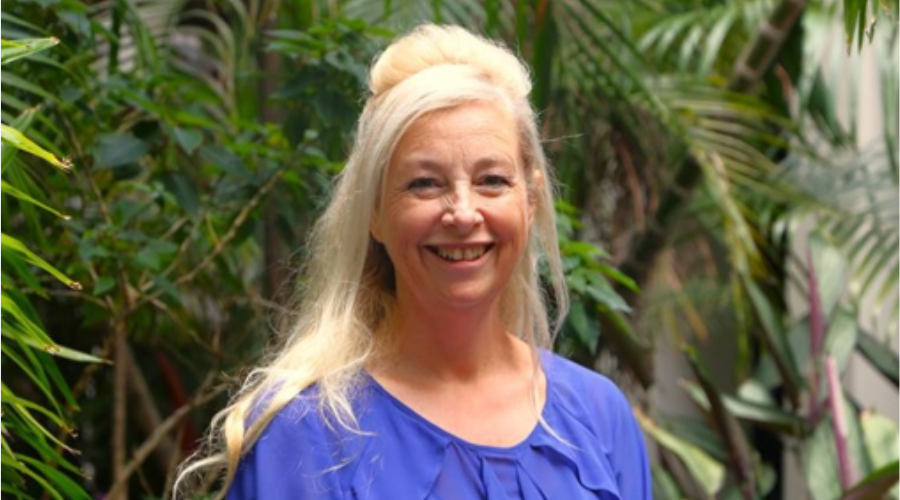
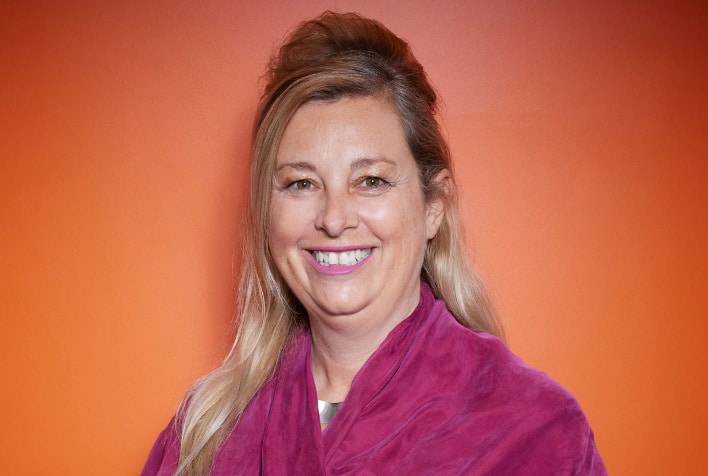
Professor Iona Novak is an internationally recognised leader in cerebral palsy research and innovation. She is Cerebral Palsy Alliance Chair of Allied Health at The University of Sydney, and co-founder of the Cerebral Palsy Alliance Research Institute. A Fulbright Scholar, Professor Novak established Xcellerate, a US-Australia stem cell research consortium advancing regenerative therapies for cerebral palsy.
Ranked the second highest cerebral palsy expert globally by Expertscape, her work spans early diagnosis, effective interventions, and neurorehabilitation. She invented the evidence alert traffic light system to make research understandable for families, leads large-scale trials and implementation studies, and has helped shape clinical practice in over 32 countries.
Professor Novak was awarded the prestigious Elsass Foundation Research Prize in 2021. She is dedicated to translating research into life-changing care for children and families living with cerebral palsy around the world.
Q: Iona, your career began as an occupational therapist. What led you into cerebral palsy research?
I started out working directly with children and families, and very quickly I saw a gap between what research was telling us and what was actually happening in practice. Families were asking important questions: what works, what doesn’t, and how early should we start? and too often we didn’t have clear, evidence-based answers. That’s what drew me into research: the desire to make sure science genuinely improves real lives.
Q: Your work now spans early diagnosis, intervention and global collaboration. What’s your core focus?
My focus has always been translation. It’s not enough to discover evidence – it needs to be tested, shared, and applied in ways that clinicians can use and families can benefit from. Whether it’s guideed by information from the Australian Cerebral Palsy Register, clinical guidelines, or global trials, the goal is the same: better outcomes for children, everywhere.
Q: You’ve helped establish initiatives like the CP Global Clinical Trials Network and DRIVE CP. Why are these collaborations so important?
No single organisation or country can find answers about cerebral palsy alone. By connecting researchers, clinicians and people with lived experience globally, we reduce duplication, accelerate trials, and learn faster. Collaboration is how we move the field forward and how we ensure equity in care, including in low- and middle-income countries.
Q: How does CPAdvance fit into this picture?
CPAdvance is a natural extension of this work. It’s about taking the world’s best research and putting it directly into clinicians’ hands. As an author, I was very focused on ensuring the content is credible, up to date, and immediately usable in real clinical settings.
Q: What do you hope CPAdvance will achieve?
My hope is simple: that wherever a child lives, clinicians have access to the knowledge and tools they need to deliver early, evidence-based care. When we act early and act well, we can change trajectories – and that’s incredibly powerful.