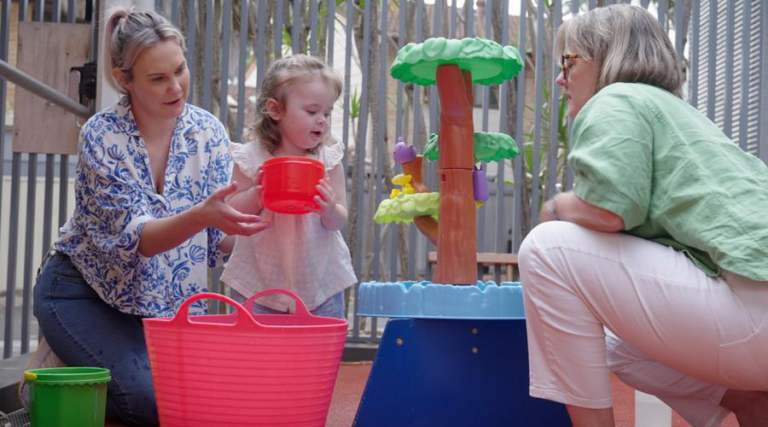
Not just feeding: mealtimes are learning opportunities for babies with cerebral palsy
Every meal is more than nutrition. It's an opportunity for learning, connection and development.
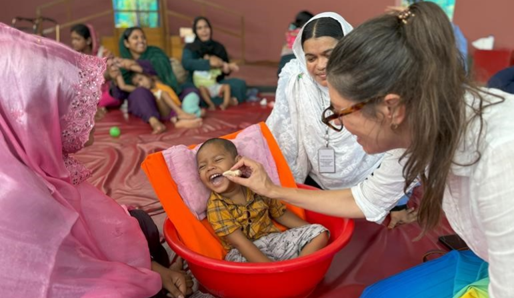
For babies with cerebral palsy (CP) or those at risk of CP, feeding can be one of the earliest and most challenging aspects of everyday life. Difficulties with sucking, swallowing, chewing and self-feeding are common, often causing stress and anxiety for families. Traditionally, therapy has focused on helping babies eat safely, but more recent evidence tells us we can achieve much more.
Today, feeding intervention is increasingly recognised as an opportunity to support not only safe eating and drinking, but also motor learning, communication, participation and family wellbeing.
Looking beyond safe swallowing
Safety will always be a priority when working with infants experiencing feeding difficulties. However, contemporary evidence-based practice encourages clinicians to look beyond simply preventing aspiration or ensuring adequate nutrition.
Every mealtime offers repeated opportunities for babies to practise movement, explore new textures, develop oral motor skills, communicate with caregivers and participate in family routines. These experiences help build the neural pathways that underpin future learning and development.
Rather than viewing feeding as an isolated clinical task, clinicians are increasingly recognising it as a meaningful everyday activity that supports the whole child.
Why early intervention matters
The first few years of life represent an extraordinary period of brain development.
During this time, the brain is highly adaptable, creating and strengthening neural connections in response to repeated experiences. This ability – known as neuroplasticity – means that the quality and frequency of everyday experiences can have a profound influence on future development.
Mealtimes can occur many times every day, making them one of the richest opportunities to provide meaningful, repeated practice within a child’s natural environment.
When intervention is embedded into these everyday routines, families can support their child’s development well beyond the therapy session.
Everyday life therapy
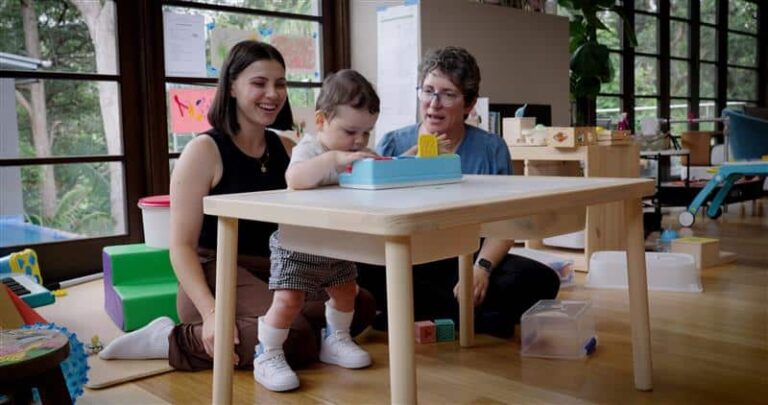
One of the biggest shifts in early intervention over the past decade has been recognising that children learn best when therapy is integrated into everyday activities.
Rather than relying solely on clinician-led sessions, evidence increasingly supports coaching families to create learning opportunities throughout the day.
Feeding is a perfect example. Every bottle, spoonful, finger food or shared family meal provides opportunities to practise:
- Participation in family routines
These small moments, repeated consistently, often have a far greater impact than isolated therapy sessions alone.
Supporting the whole family
Feeding challenges can be emotionally demanding. Parents often describe feeling anxious about whether their child is eating enough, swallowing safely or progressing as expected. Mealtimes that should be enjoyable family experiences can quickly become stressful.
Evidence-based feeding intervention aims not only to support the child but also to build caregiver confidence.
When families understand why certain strategies are recommended and feel supported to implement them in everyday life, intervention becomes more sustainable, consistent and effective.
Empowering caregivers is just as important as developing the child’s feeding skills.
Introducing babiEAT
The babiEAT approach reflects this modern understanding of early intervention.
Developed through research led by speech pathologist and Cerebral Palsy Alliance researcher Amanda Khamis, babiEAT combines evidence-based feeding intervention with principles of motor learning, neuroplasticity and family-centred practice.
Rather than focusing solely on swallowing safety, babiEAT supports clinicians to deliver intervention that is:
- Embedded within everyday routines
- Focused on meaningful participation
The goal is not simply for babies to eat safely, it is to help them develop the skills, confidence and participation to enjoy mealtimes with their families.
Translating evidence into practice
Keeping up with the latest feeding research can be challenging. New evidence continues to emerge around intervention selection, motor learning, caregiver coaching and early brain development. Clinicians need practical guidance to confidently translate this knowledge into everyday clinical practice.
That’s where CPAdvance™ can help.
The CPAdvance™ Eating and Drinking 1 and 2 modules – as part of the Electives suite – explore the latest evidence and demonstrate how clinicians can apply these principles in real-world settings. Developed by experts in early intervention, they provide practical strategies that can be implemented immediately with infants and young children.
Whether you’re a speech pathologist, occupational therapist or physiotherapist working in early intervention, these courses help bridge the gap between research and clinical practice.
The future of feeding intervention
Feeding therapy is evolving. It is no longer just about helping children swallow safely. It is about supporting participation, strengthening family confidence and creating meaningful learning opportunities that influence development across many domains.
By understanding the science behind early learning and embedding intervention into everyday routines, clinicians can help families make the most of one of the most important developmental windows in a child’s life.
Every mealtime has the potential to become a moment of growth, connection and learning.
Continue your learning
If you’re passionate about delivering evidence-based feeding intervention, explore the CPAdvance™ Eating and Drinking 1 and 2 modules as part of the Electives and discover practical strategies to help infants and young children build feeding skills through meaningful everyday experiences