Neuroplasticity: Why Early Intervention Can’t Wait
Every interaction a baby has with their world shapes the developing brain.
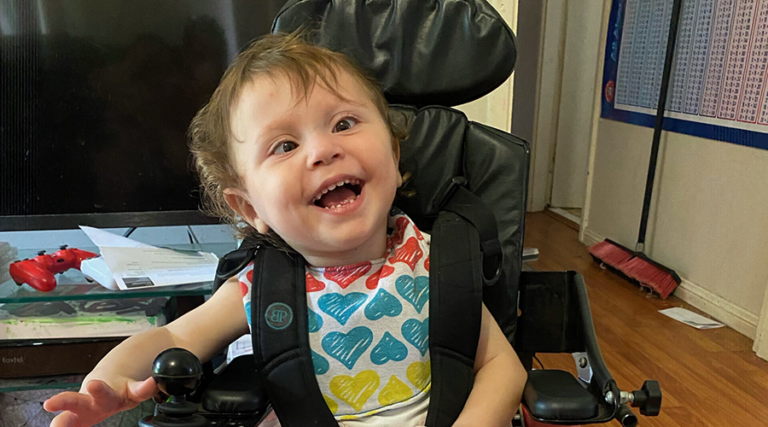
From reaching for a toy to making eye contact with a parent, millions of neural connections are forming every second. For infants at risk of or diagnosed with cerebral palsy (CP), these early experiences are even more significant. They represent a unique window of opportunity to influence brain development and improve lifelong outcomes.
Understanding neuroplasticity is fundamental to delivering effective early intervention (getting support in the very early years), and it’s at the heart of everything we teach in
What is neuroplasticity?
Neuroplasticity refers to the brain’s remarkable ability to reorganise and strengthen neural pathways in response to experience.
During the first three years of life, the brain is at its most adaptable. Neural pathways are created, strengthened or pruned depending on how frequently they are used. This means that purposeful, meaningful experiences can help establish more efficient movement, communication and learning patterns.
Rather than waiting for development to happen on its own, clinicians have an opportunity to actively influence it.
Why timing matters
Research consistently shows that early, targeted intervention leads to better outcomes for children with CP.
Early intervention aims to maximise participation, support family confidence and create repeated opportunities for learning within everyday environments. The earlier these opportunities begin, the greater the potential for meaningful change.
From research to everyday practice
Understanding neuroplasticity is only the first step. The real challenge is translating neuroscience into practical clinical decision-making.
Questions clinicians ask every day include:
- Which intervention is most appropriate?
- How much practice is enough?
- How do I coach parents effectively?
- How do I embed therapy into daily routines?
CPAdvance bridges this gap between research and practice by providing practical, evidence-based guidance that clinicians can immediately apply.
Why this matters for families
Families and caregivers don’t just need therapy sessions; they need confidence and understanding.
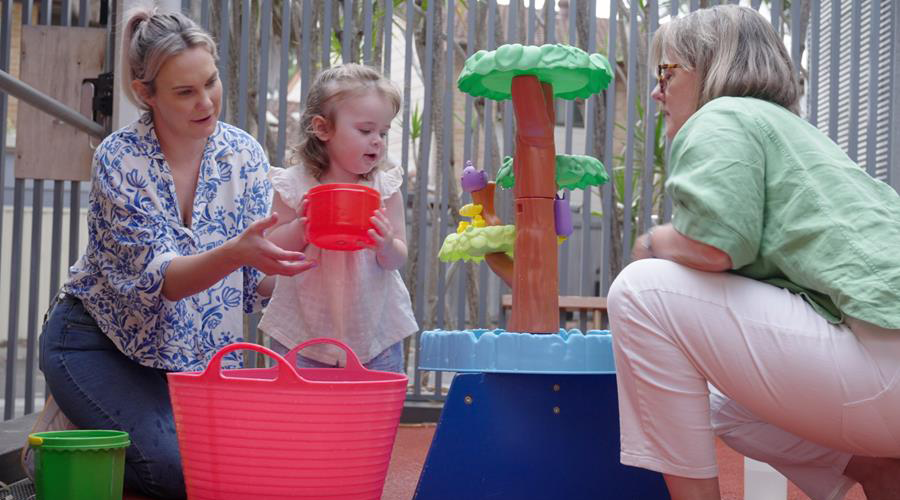
When clinicians understand how children learn, they can empower caregivers to create rich learning opportunities throughout the day, not just during appointments.
Continue your learning
Explore CPAdvance Essentials and discover how evidence-based early intervention can help you translate the science of neuroplasticity into better outcomes for children and families.